Robot vacuum against cordless stick
Quick answer
The Dreame D30 Ultra CE ($399.97) is a self-emptying robot vacuum rated at 25,000Pa suction that cleans on a schedule without you present. The Tineco Pure ONE S70 ($399.00) is a cordless stick rated at 200 air watts with a 95 minute runtime, built for a thorough single pass you control by hand. They cost almost the same and solve different problems: automated daily maintenance versus deliberate, targeted cleaning.
Published manufacturer specifications, plus general vacuum category conventions where noted.

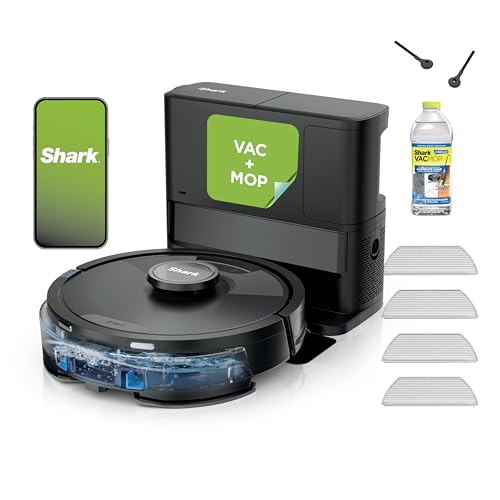
dreame D30 Ultra CE Robot Vacuum and Mop, 25,000Pa Powerful Suction
For maintaining floors between deeper cleans, the Dreame D30 Ultra CE's automatic, self-emptying schedule keeps daily dust and debris from building up without any effort. It is not a replacement for a hands-on pass in corners, under low furniture edges, or on stairs, which is where the cordless stick still does work the robot physically cannot reach.
The two sides
- Robot vacuum (Dreame D30 Ultra CE)
dreame D30 Ultra CE Robot Vacuum and Mop, 25,000Pa Powerful Suction
Self-empties automatically and is rated at 25,000Pa suction, running unattended on a schedule.
$399.97 Check pricePrices change often - Cordless stick (Tineco Pure ONE S70)
Rated at 200 air watts with a 95 minute runtime and HEPA filtration for a thorough, hands-on single pass.
$399.00 Check pricePrices change often

| Factor | Robot (Dreame D30 Ultra CE) | Cordless stick (Tineco Pure ONE S70) |
|---|---|---|
| Price | $399.97 | $399.00 |
| Suction (published) | 25,000 Pa | Not published as pascals |
| Air watts (published) | Not published | 200 AW |
| Runtime per session | Runs on a schedule, docks to recharge | 95 minutes rated |
| Self-emptying | Yes, bagged base | Not applicable, manual bin |
| Sealed filtration | Not listed as HEPA | HEPA |
Two different jobs, not two versions of the same job
A robot vacuum like the Dreame D30 Ultra CE is built to run a set floor plan repeatedly without a person present, picking up daily dust, crumbs and light debris before it accumulates. A cordless stick like the Tineco Pure ONE S70 is built for a person to direct it precisely, under furniture edges the robot can't reach, up onto stairs, or across an area rug that needs a slower, deliberate pass. Comparing their pascal and air watt figures side by side isn't meaningful anyway, since those are different units measuring different things, but comparing what each machine is actually for is the more useful question.
What the self-emptying base actually changes
The Dreame's self-emptying base holds debris across multiple runs and empties automatically, which means daily robot cleaning doesn't become a daily chore for the owner. That convenience comes with a recurring cost: the base uses disposable bags that need periodic replacing, and the base itself takes up floor or counter space near an outlet. The cordless stick has no equivalent base at all; its bin is emptied by hand after each use, which takes seconds but happens every single time rather than every few weeks.
Why runtime means something different for each format
The cordless stick's 95 minute rating describes one continuous battery charge for hands-on cleaning across the whole home in a single session. The robot's runtime works differently: it cleans in scheduled sessions, returning to its dock to recharge automatically between runs, so its practical daily coverage isn't capped by a single battery charge the way a handheld session is.
How maintenance differs beyond the initial purchase
A robot vacuum's brush roll and side brushes need periodic hair and thread removal to keep navigation sensors and wheels from getting tangled, and its self-empty base needs its own bag changed every several weeks. A cordless stick's maintenance is simpler in scope but happens more often: the filter needs regular cleaning to hold suction, and the bin gets emptied by hand after essentially every use rather than on a multi-week schedule. Neither machine is maintenance-free, they just distribute that maintenance differently across time.
A question people actually ask: can a robot vacuum replace a cordless stick entirely?
For flat, open floor plans with minimal furniture legs and no stairs, a robot vacuum can cover most day-to-day maintenance on its own. It generally can't climb stairs, clean upholstery, or reliably clear tight corners and cord clutter the way a hands-on cordless stick can. Most owners who add a robot vacuum keep a cordless stick or handheld for the spots the robot skips.
- Open floor plans with few obstacles: a robot vacuum handles most daily upkeep unattended.
- Stairs, upholstery, tight corners: a cordless stick remains necessary regardless of robot ownership.
- Homes with pets that shed heavily may want both running on different schedules rather than choosing one.
Choose the robot vacuum if you want daily floor maintenance to happen automatically without setting aside time for it, and your home layout suits a scheduled cleaner. Choose the cordless stick if you want direct control over exactly where and how thoroughly you clean, or if your home has stairs and tight spots a robot can't reach. Many households eventually own both, using the robot for daily upkeep and the stick for targeted or deep cleaning.
Others in this category
An even spread across the price range.
- RONEAIR
RONEAIR Cordless Vacuum Cleaner 40Kpa 45Min 6-in-1 Self-Standing
$65.99 Check pricePrices change often - Levoit
Levoit VortexIQ® Cordless Vacuum Cleaner for Pet Hair, 50-Min Runtime
$169.99 Check pricePrices change often - eufy
eufy Omni C20 Robot Vacuum and Mop Combo for Hardwood and Carpet, 7,000 Pa
$379.99 Check pricePrices change often - roborock
roborock 2026 New Qrevo S Pro Robot Vacuum and Mop, 18,500Pa Suction
$499.99 Check pricePrices change often - roborock
roborock Qrevo Edge 2 Robot Vacuum and Mop, 25,000Pa, 3.14'' Ultra-Slim
$1,099.99 Check pricePrices change often




Common questions
Is 25,000Pa on the robot vacuum comparable to 200 air watts on the cordless stick?
No. Pascals measure sealed suction pressure with the inlet blocked, while air watts measure combined airflow and pressure at the cleaning head. They are different units describing different things, and there is no valid formula to convert one into the other.
Does the robot vacuum need any manual emptying at all?
Its self-emptying base handles debris automatically across multiple cleaning runs, but the base itself uses a disposable bag that eventually fills and needs replacing, typically every several weeks depending on household size and pet hair volume.
Why does the cordless stick have HEPA filtration listed but the robot does not?
This reflects each specific model's published specification rather than a rule about robot vacuums in general; some robot vacuums do carry HEPA-rated filters, but the Dreame D30 Ultra CE in this comparison is not listed with one.
Can the robot vacuum clean stairs?
No, robot vacuums in this category are designed for a single continuous floor level and cannot navigate stairs. A cordless stick or handheld remains necessary for stairs regardless of which robot vacuum is chosen.
How long does each machine typically last before replacement?
Robot vacuums generally last 3 to 6 years, while cordless stick vacuums generally last 4 to 7 years, in both cases limited mainly by battery degradation and motor wear over repeated charge cycles.
Is it worth buying both a robot vacuum and a cordless stick at the same price point?
It depends on the home. A flat, open layout may get most of its daily value from the robot alone, while a home with stairs, rugs needing a deliberate pass, or heavy pet shedding often benefits from running both machines on different schedules.
Every figure here comes from published manufacturer specifications, owner reported measurements and repair documentation, and each is labelled as either a standard or a convention. This is researched general information to help you diagnose and plan, not professional advice, and it cannot tell you what is wrong with one particular machine. Your own manual and the part number printed on your machine are the final word.